
The Essential East Africa Safari Packing List
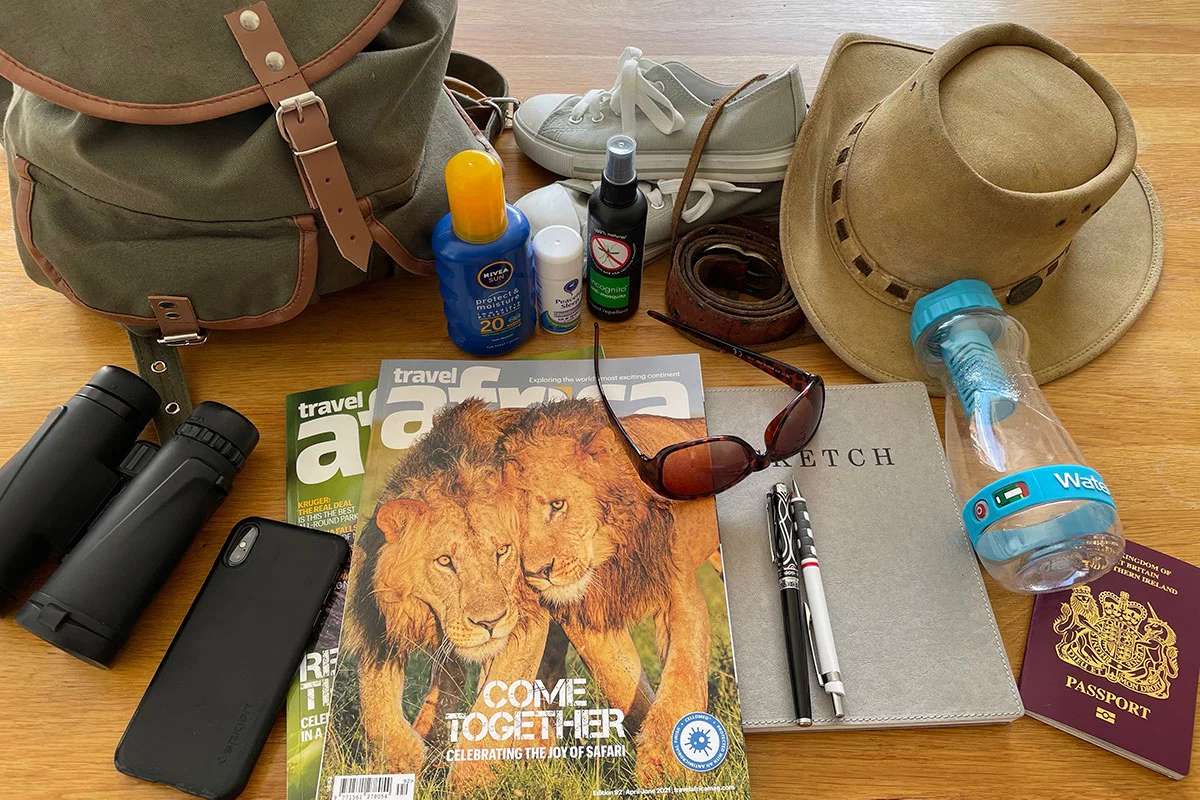
At Malee Safaris, we’ve guided travellers from all over the world, and this is the simple, expert-approved safari packing list for East Africa we give to everyone. No stress. No guesswork.
Planning your dream safari in East Africa? Whether you’re exploring the vast plains of Kenya and Tanzania, or tracking primates in Uganda and Rwanda, having the right items in your bag makes your trip smoother, safer, and far more enjoyable.
Table of Contents
- ⚠️ Crucial Luggage Rule: Soft Bags & Weight Limits
- 1. Essential Clothing for an East African Safari
- 2. Personal Items & Health
- 3. Safari Gear You Shouldn’t Miss
- 4. Important Travel Documents
- Final Word
⚠️ Crucial Luggage Rule: Soft Bags & Weight Limits
Before you pack anything, please note: Safaris often involve travel on small, light aircraft, which have strict limits. Following these rules is mandatory for smooth travel across the region.
- Type: You **must** use a **soft-sided duffel bag** (no rigid suitcases or wheeled luggage).
- Weight: Adhere strictly to the weight limit, typically 15-20 kg (33-44 lbs) per person, including carry-on items.
1. Essential Clothing for an East Africa Safari
You don’t need a huge wardrobe. Focus on quick-drying, layering pieces for varied temperatures.
- Lightweight, Neutral Colors: Pack clothes in khaki, sand, olive green, or brown. These colors blend into the environment and attract fewer insects.
- Tip: Avoid bright colors (especially blue and black, which attract Tsetse flies) and camouflage patterns (which are often reserved for military/rangers).
- Long-Sleeved Shirts & Trousers (3-4 pairs): These are essential for sun protection during the day and insect protection at dawn/dusk. Choose technical, quick-dry fabrics (nylon, moisture-wicking synthetics).
- Warm Fleece or Sweater: Mornings (especially on game drives) and evenings can be surprisingly cold, particularly in highland areas like the Ngorongoro Crater or the Aberdares.
- Light Rain Jacket: A compact, waterproof/windproof shell is perfect for unexpected showers.
- Comfortable T-shirts (3-4): For daytime around the lodge.
- Sturdy Walking Shoes/Boots: A broken-in pair of comfortable hiking boots or robust sneakers is essential, especially if you plan on gorilla or chimpanzee trekking.
- Sandals or Flip-flops: For relaxing around the lodge or camp.
- Quality Socks: Moisture-wicking wool or hiking socks to prevent blisters.
2. Personal Items & Health
- Sunscreen: Factor 30+ protection is a must—the East African sun is strong at high altitudes.
- Insect Repellent: Products containing DEET are generally the most effective.
- Moisturizer & Lip Balm (with SPF): The air in the savannah can be dry and dusty.
- Prescription & Personal Medication: Bring enough for the entire trip, plus a few extra days, carried in your hand luggage.
- Basic First-Aid Kit: Include pain relievers, anti-diarrhea medication, and allergy tablets.
- Hand Sanitizer & Wet Wipes: Highly useful during game drives and transfers.
3. Safari Gear You Shouldn’t Miss
These items elevate your wildlife viewing experience from good to unforgettable.
- Binoculars: The single most important piece of gear for a wildlife safari. Look for specifications like $8 \times 42$ or $10 \times 42$ for optimal clarity and field of view.
- Camera Gear: A good camera with a strong zoom/telephoto lens (or a high-quality smartphone) is essential for capturing distant wildlife.
- Extra Memory Cards & Batteries: Charging opportunities can be limited in remote camps.
- Headlamp or Small Flashlight: Useful for navigating camps after dark.
- Power Bank: To keep your phone and camera charged during long days out.
- Reusable Water Bottle: Many lodges provide filtered water to refill, reducing plastic waste.
- Daypack: A small, lightweight backpack for carrying water, camera, and a jacket on game drives.
- Hat & Sunglasses: Wide-brimmed hat for sun protection.
- Light Scarf or Buff: Excellent for protecting your face and camera from dust on dirt roads.
4. Important Travel Documents
Keep these organized, ideally in a waterproof folder, and carry them with you at all times.
| Document | Notes |
|---|---|
| Passport | Must be valid for 6+ months beyond your departure date. |
| Visa(s) | Obtain any necessary visas before travel (or confirm visa-on-arrival eligibility). |
| Yellow Fever Certificate | Required if arriving from or transiting through certain countries (check official guidelines). |
| Travel Insurance | Copies of your policy and emergency contact numbers. |
| Booking Confirmations | Vouchers for Malee Safaris, flights, and accommodations. |
| Emergency Contacts | List of family/friends and local embassy numbers. |
Final Word
Packing for a safari doesn’t need to be complicated. With this simple, practical safari packing list East Africa guide, you’ll be fully prepared to enjoy unforgettable moments—from sunrise game drives in Kenya to mountain gorilla trekking in Uganda.
If you’d like help planning your safari or need a customised packing guide tailored to your itinerary, Malee Safaris is always here to help.
Recent Posts
Ready to Book Your Dream Safari?
Don’t just read about it experience it! Whether you’re chasing the Great Migration, searching for the Big Five,
or dreaming of Africa’s golden sunsets, Malee Safaris will make it happen.
- +254 724 462 260
Safari Packing List East Africa: FAQs
Why do I need to pack soft-sided bags, and what is the typical weight limit?
The requirement for soft-sided bags is due to the limited baggage space and weight constraints on the light aircraft used for transfers between safari camps and parks. Adhering to the rules on the safari packing list east africa is essential, as the typical weight limit is very strict, usually between 15 kg and 20 kg (33–44 lbs) per person, including all hand luggage.
What colors should I avoid wearing on safari?
You should strictly avoid bright colors (like red or yellow) and especially black and dark blue, as these colors are known to attract Tsetse flies. You should also avoid camouflage patterns, as these are typically reserved for military personnel or park rangers. Stick to neutral colors like khaki, olive green, and sand—a crucial tip on any safari packing list east africa.
Are comfortable walking shoes enough, or do I need full hiking boots?
For most standard game drives, comfortable, closed-toe walking shoes or sturdy sneakers are sufficient. However, if your itinerary includes specialized activities like gorilla trekking (in Uganda or Rwanda) or extended nature walks, you absolutely need sturdy, broken-in hiking boots for ankle support and protection against wet, uneven terrain.
Is it necessary to bring binoculars, or will the safari vehicle have them?
While some vehicles may carry a shared pair, bringing your own binoculars is highly recommended. It ensures you have a pair readily available when wildlife is sighted, allowing you to observe details without waiting or maneuvering. Specifications like $8 \times 42$ or $10 \times 42$ are ideal for wildlife viewing, and they are a top priority on the safari packing list east africa.
Should I bring cash, or can I rely on credit cards and digital payments?
Major lodges, high-end camps, and hotels accept credit cards (Visa/Mastercard) for larger bills. However, you will need local cash (small US dollar denominations or local currency like Kenyan Shillings/Tanzanian Shillings) for tipping guides, porters, and staff, and for purchasing small items at local markets or roadside stops.