The debate between Maasai Mara vs Serengeti is the most enduring question in African safari planning, and in 2026, it remains as relevant as ever. Both destinations sit within the same vast ecosystem, share the same wildebeest migration, and consistently rank among the finest wildlife experiences on the planet. Yet they deliver those experiences in fundamentally different ways. The Maasai Mara offers concentrated action, unmatched predator sightings, and easy access from Nairobi. The Serengeti offers endless horizons, extraordinary scale, and a depth of wilderness that is difficult to find anywhere else in Africa.
At Malee Safaris, we regularly guide clients through this exact decision. This 2026 comparison is built on first-hand knowledge of both ecosystems, covering wildlife, migration timing, cost, access, and the question of who truly belongs in each park.
The Maasai Mara vs Serengeti at a Glance
Before diving into the details, here is a side-by-side snapshot of the two destinations to anchor your planning.
| Factor | 🇰🇪 Maasai Mara, Kenya | 🇹🇿 Serengeti, Tanzania |
|---|---|---|
| Size | ~1,510 km² | ~30,000 km² |
| Best migration timing | July – October | Year-round; calving Dec–Mar |
| Nearest hub | Nairobi (~5 hrs drive / 45 min flight) | Kilimanjaro / Arusha (~1 hr flight) |
| Entry fees (2026) | ~USD 200/day non-resident | ~USD 70–80/day (excl. conservation levy) |
| Wildlife density | ★ Very High (compact area) | High (spread across vast terrain) |
| Crowd levels | High July–Oct at river crossings | ★ Lower density in remote areas |
| Rhino | Rare (Ol Pejeta & conservancies) | ★ Present in southern Serengeti |
| Private conservancies | ★ Extensive (Olare Motorogi, Naboisho etc.) | Concession areas available |
| Overall cost | ★ Generally lower | Higher (internal flights, logistics) |
Size, Landscape & Atmosphere
One of the most striking differences in the Maasai Mara vs Serengeti comparison is scale. The Serengeti spans close to 30,000 square kilometres across northern Tanzania, a landscape so vast that drives of several hours can pass without encountering another vehicle. The Mara, at roughly 1,510 square kilometres, is a fraction of that size but compensates with extraordinary wildlife density. What you trade in space, you gain in guaranteed sightings.
The Mara's terrain is quintessential East African savannah, rolling golden plains, the serpentine Mara River, and acacia-dotted grasslands stretching to the horizon. It feels immediate and intimate. The Serengeti is more geographically diverse, moving from the short-grass southern plains where calving occurs, through the central woodlands, to the rocky kopjes of the Seronera Valley, and finally to the riverine forests of the remote north near the Tanzanian border with Kenya.
Wildlife: Big Five, Predators & Beyond
Both the Maasai Mara and the Serengeti support the full Big Five, lion, leopard, elephant, buffalo, and rhino, though access to each species differs meaningfully.
Lion & Cheetah
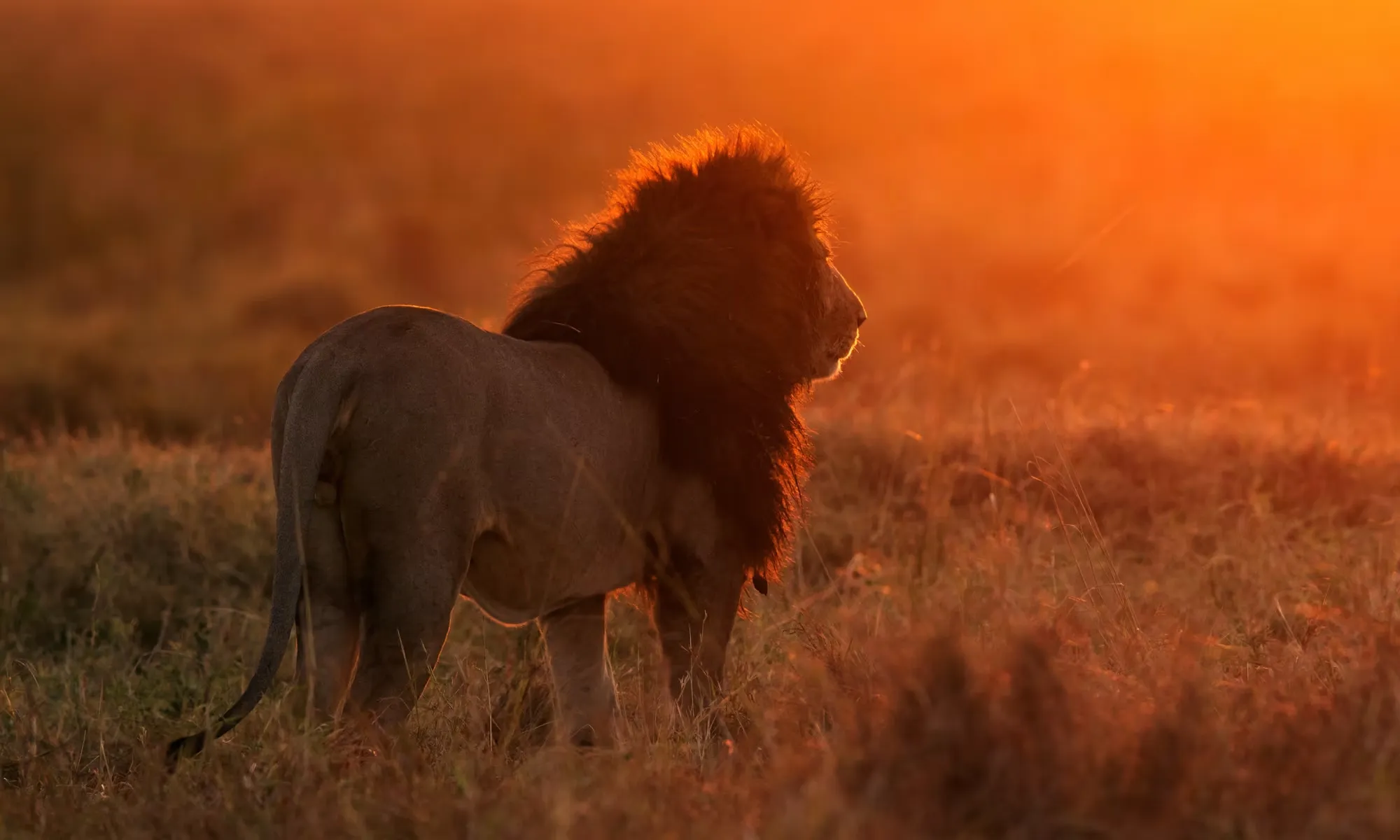
The Maasai Mara has one of the highest lion densities anywhere in Africa, with multiple large prides well-habituated to vehicles. Cheetah sightings are also exceptional on the open plains, where visibility is superb for watching hunts unfold. The Serengeti similarly supports strong lion populations, particularly around the Seronera Valley kopjes, but sightings can require more patience given the park's scale.
Leopard
The leopard is perhaps the most elusive of the Big Five. Both parks offer sightings, but the Mara's dense fig trees along watercourses and its more concentrated vehicle coverage make leopard finds marginally more consistent. The Serengeti's remote western corridor is outstanding for leopard but requires deliberate routing.
Elephant & Buffalo
Large herds of elephant and buffalo move through both ecosystems freely. For elephant specifically, Amboseli National Park in Kenya and the Maasai Mara are outstanding, as is Tanzania's Tarangire. In the Serengeti, elephants concentrate along river systems, particularly the Grumeti and Mara Rivers in the north.
Rhino
The black rhino is critically endangered, and sightings are never guaranteed. The Serengeti's southern Ngorongoro Conservation Area (often combined as part of a Tanzania itinerary) offers the best rhino viewing opportunity in East Africa. Within the Mara ecosystem proper, rhino sightings require visiting private conservancies such as Ol Pejeta Conservancy in the Laikipia Plateau.
Predator Sightings
Compact size, open plains, and high lion and cheetah density make the Mara the predator capital of East Africa.
Overall Biodiversity
Over 500 bird species, diverse habitats, and a broader range of ecosystems give the Serengeti an edge in total wildlife variety.
The Great Migration: Timing & Access
The Great Wildebeest Migration is the defining event that draws most visitors to both parks, and understanding how it moves between the Maasai Mara and the Serengeti in 2026 is essential to planning your trip.
Calving Season
Southern Serengeti plains. Up to 500,000 wildebeest calves born in a six-week window. Exceptional predator action. Best experienced in Tanzania.
The Long March North
Herds move through central Serengeti woodlands toward the western corridor and Grumeti River. Green season conditions; fewer crowds, lower prices.
Mara River Crossings
The iconic crossings take place at the Kenya–Tanzania border. Peak season in the Maasai Mara. Best chance of witnessing dramatic river crossings.
Return South
Short rains trigger the herds' departure back toward Tanzania. Good Serengeti sightings with thinning crowds. Short rains add photographic appeal.
The famous Mara River crossings, where wildebeest leap into crocodile-filled waters, occur primarily in the Maasai Mara between July and October. However, it is important to note that crossings are never guaranteed, they are driven entirely by wildebeest behaviour, not the calendar. Planning five to seven days in the Mara during this period maximises your chances significantly.
For the complete migration cycle, calving, the long march, the crossings, and the return, a combined Kenya–Tanzania itinerary is the gold standard. Explore our East Africa safari packages for combined Mara and Serengeti options.
Cost Comparison: Maasai Mara vs Serengeti
Budget is one of the most practical distinguishing factors in the Maasai Mara vs Serengeti decision. Both destinations offer a wide range of accommodation from mobile tented camps to ultra-luxury lodges, but the underlying cost structures differ.
The Maasai Mara is generally the more accessible option financially. Nairobi, the nearest hub, offers excellent road and flight connections to the Mara without the need for costly domestic flights. Park entry fees, while not inexpensive at around USD 200 per person per day for non-residents in 2026, are straightforward and predictable.
A Tanzania Serengeti safari typically involves internal flights from Arusha or Kilimanjaro International Airport to bush airstrips within the park, adding USD 300 to 600 per person per routing in 2026. The longer distances and more complex logistics of reaching the Serengeti push the total cost of a Tanzania safari higher for most itineraries.
| Cost Factor | 🇰🇪 Maasai Mara | 🇹🇿 Serengeti |
|---|---|---|
| Park entry (non-resident, 2026) | ~USD 200/person/day | ~USD 70–80/person/day + conservation levy |
| Internal flights | Optional (~USD 250–350 Nairobi–Mara) | Usually required (~USD 350–600) |
| Budget camp (per person per night) | USD 250 – 450 | USD 300 – 550 |
| Mid-range lodge | USD 500 – 900 | USD 600 – 1,100 |
| Luxury / private conservancy | USD 1,000 – 2,500+ | USD 1,200 – 3,500+ |
Rates are approximate full-board indicative figures for 2026. Contact Malee Safaris for current pricing and availability across both destinations.
Best Time to Visit: Maasai Mara vs Serengeti in 2026
There is no universally "bad" time to visit either destination, but there are very clear "best" windows for different priorities.
Best Time for the Mara River Crossing
July to October in the Maasai Mara. This is peak season, peak pricing, and the highest visitor volumes of the year. Book camps at least eight to twelve months in advance for July and August. The river crossings are exhilarating and genuinely worth the premium, but use a private conservancy camp to avoid the vehicle congestion at the crossing points on the national reserve boundary.
Best Time for Calving in the Serengeti
January to March in the southern Serengeti, particularly around the Ndutu area. This is one of the greatest wildlife spectacles in the world, half a million wildebeest calves born within weeks, with lions, cheetahs, and hyenas in almost constant pursuit. It is less internationally famous than the river crossings, but many experienced guides consider it the more extraordinary event.
Green Season Value Windows
Both parks offer exceptional value in the low season. For the Mara, November and early March are the best shoulder months, landscapes are vivid green, newborn animals are everywhere, and rates drop by 25 to 40 percent. For a detailed look at green season advantages in Kenya, read our guide to visiting Kenya in the green season.
Getting There: Accessibility & Logistics
The Maasai Mara has a clear logistical advantage over the Serengeti. From Nairobi, charter and scheduled flights reach the Mara in approximately 45 minutes. Road transfers take five to six hours and are a popular option for visitors who want to experience the Kenyan countryside en route.
Nairobi itself is a major international hub, served by dozens of airlines from Europe, the Middle East, Asia, and the Americas. The ease of arrival into Kenya means that a Mara safari can realistically begin within hours of landing at Jomo Kenyatta International Airport.
The Serengeti, while increasingly well-served by Kilimanjaro International Airport and several bush airstrips, involves more planning. Most visitors fly from Arusha or Kilimanjaro to Seronera, Grumeti, or one of the northern airstrips, adding transit time and cost to the itinerary. The reward is a greater sense of remoteness and wilderness depth, which many experienced safari travellers rate highly.
Who Should Choose the Maasai Mara, and Who Should Choose the Serengeti?
-
Choose the Maasai Mara if: This is your first safari to Africa and you want reliable, concentrated wildlife sightings with minimal travel complexity. The Mara's compact size means you cannot "miss" the wildlife.
-
Choose the Maasai Mara if: You have five days or fewer and want to maximise game-viewing time relative to transit time. The short flight from Nairobi means you are on a game drive within hours of arrival.
-
Choose the Maasai Mara if: You are visiting between July and October specifically to witness Mara River crossings during the Great Migration in Kenya.
-
Choose the Serengeti if: You are an experienced safari traveller seeking wilderness depth, solitude, and a diverse landscape that changes character across its vast extent.
-
Choose the Serengeti if: You want to witness the calving season (December to March), the full-circle beginning of the migration story that most visitors never see.
-
Choose the Serengeti if: Budget allows for the additional internal flight cost and you prioritise a more exclusive, crowd-free experience in remote wilderness areas.
Can You Do Both the Maasai Mara and the Serengeti?
Yes, and for many travellers, doing both is the definitive East Africa safari experience. A combined Kenya–Tanzania itinerary allows you to follow the Great Migration across both sides of the border, experience contrasting landscapes, and visit other complementary parks such as Amboseli for elephants and Kilimanjaro views, or Ngorongoro Crater for its extraordinary resident wildlife.
A practical combined itinerary requires a minimum of ten days, ideally twelve to fourteen, to allow meaningful time in each destination without spending half the trip on transit. Budget an additional two to three days for cross-border logistics, as ground crossings between Kenya and Tanzania add time and need to be properly planned around visa requirements for both countries.
Malee Safaris specialises in cross-border East Africa itineraries. Get in touch with our team to discuss a tailored combined Mara–Serengeti itinerary for 2026 or 2027.
Frequently Asked Questions: Maasai Mara vs Serengeti 2026
For most first-time safari visitors, the Maasai Mara is the stronger choice. Its compact size ensures excellent wildlife sightings even in a short visit, Nairobi provides easy international access, and the variety of accommodation and price points is well-suited to first-time travellers. The Serengeti's vastness is genuinely awe-inspiring but can also mean more driving time between sightings, which is better appreciated once you have established a baseline of safari experience.
The peak migration period in the Maasai Mara is July to October, when wildebeest herds cross the Mara River in dramatic crossings watched by crocodiles and lions. August and September typically offer the most consistent river crossing activity. However, crossing events are never guaranteed on any given day, spending a minimum of five nights in the Mara during this period significantly increases your chances of witnessing a crossing. Contact Malee Safaris for up-to-date 2026 migration reports.
Generally yes. While the Serengeti's headline park entry fee is lower than the Maasai Mara's, the overall cost of a Tanzania Serengeti safari tends to be higher once you factor in mandatory internal flights (typically USD 350 to 600 per person per sector), the longer logistics of the Arusha or Kilimanjaro gateway, and the higher price points of most Serengeti lodges and camps. Budget-conscious travellers often find that the Maasai Mara delivers equivalent or superior wildlife experiences at a significantly lower total cost.
Yes, both the Maasai Mara and the Serengeti are home to the Big Five, lion, leopard, elephant, buffalo, and rhino. However, rhino sightings are rare and never guaranteed in either park. For the best rhino viewing in Kenya, Ol Pejeta Conservancy in Laikipia is recommended. In Tanzania, Ngorongoro Crater, which many visitors combine with a Serengeti safari, offers the most reliable black rhino sightings in East Africa. Browse our Kenya safari packages for itineraries covering the best Big Five destinations.
For the Maasai Mara alone, four to five nights gives an excellent experience. For the Serengeti, six to seven nights is ideal to cover different ecological zones. A combined Kenya–Tanzania itinerary visiting both parks meaningfully requires a minimum of ten to twelve days. For a complete East Africa safari that also includes Amboseli and Ngorongoro, plan for fourteen days. Speak with Malee Safaris to design the ideal itinerary length for your travel dates and interests.
Ready to Plan Your Maasai Mara or Serengeti Safari?
Malee Safaris designs bespoke East Africa safaris that match your travel style, budget, and the wildlife experiences that matter most to you.
Plan My East Africa Safari →Or explore our safari packages for ready-made itineraries across Kenya and Tanzania.