Most travellers plan their safari around July and August, when the Great Wildebeest Migration is at full spectacle and the dry savannah makes wildlife easy to spot. But there is a compelling case for choosing a Kenya green season safari instead. The green season, which covers the long rains from March to May and the short rains from November to December, transforms Kenya into a completely different destination: lush, alive, dramatically lit, and far more affordable. This guide explains exactly what to expect, what you will see, and why more experienced safari travellers consistently rate the green season as one of the most rewarding times to visit Kenya.
What is the Kenya Green Season Safari Season?
Kenya has two distinct green seasons, both driven by the country's equatorial rainfall cycle. Understanding the difference between them helps you choose the right window for your trip.
March to May
The main green season. Heavy afternoon and evening downpours transform the savannah into an emerald landscape. April is the wettest month. Significant lodge discounts available. Some camps close in late April and May.
March and June
The best of both worlds. Early March is drier, lush from the previous rains, and quiet. Early June sees the long rains end with green landscapes and wildlife still plentiful before the July crowds arrive.
November to December
Shorter, lighter rains that refresh the landscape. November is excellent for birdwatching and newborn animals. December dries out toward Christmas. Far less disruptive than the long rains and popular with experienced safari travellers.
It is important to note that Kenya's rain is not the kind that ruins a holiday. In most parks, showers typically fall in the late afternoon or evening, leaving mornings clear and perfect for game drives. The Masai Mara, in particular, rarely experiences all-day rain even during the height of the long rains season.
7 Reasons to Choose a Kenya Green Season Safari
-
1Lodge rates drop by up to 40%. This is the single most compelling financial reason for a green season safari in Kenya. Properties that command premium prices in July and August offer significant savings during the low season. The Safari Collection, for example, offers verified discounts of 30 to 35 percent on accommodation across multiple Kenya properties during their savings season from January to May and November to December. A luxury lodge that costs $800 per person per night in August may be available for under $500 during the green season, with no reduction in service quality.
-
2The Masai Mara has far fewer vehicles at sightings. During July and August, popular game sightings in the Mara can attract dozens of vehicles. During a Kenya green season safari, you may have a lion or cheetah entirely to yourself for the duration of a sighting. That intimacy and stillness is something that peak season simply cannot offer.
-
3The landscape is the most beautiful it will ever be. The long rains turn Kenya's golden grass into an emerald sea. Acacia trees burst into leaf. Waterholes fill. Rivers run strong. For travellers who have only ever seen the dust of the dry season, the green season transformation is genuinely breathtaking.
-
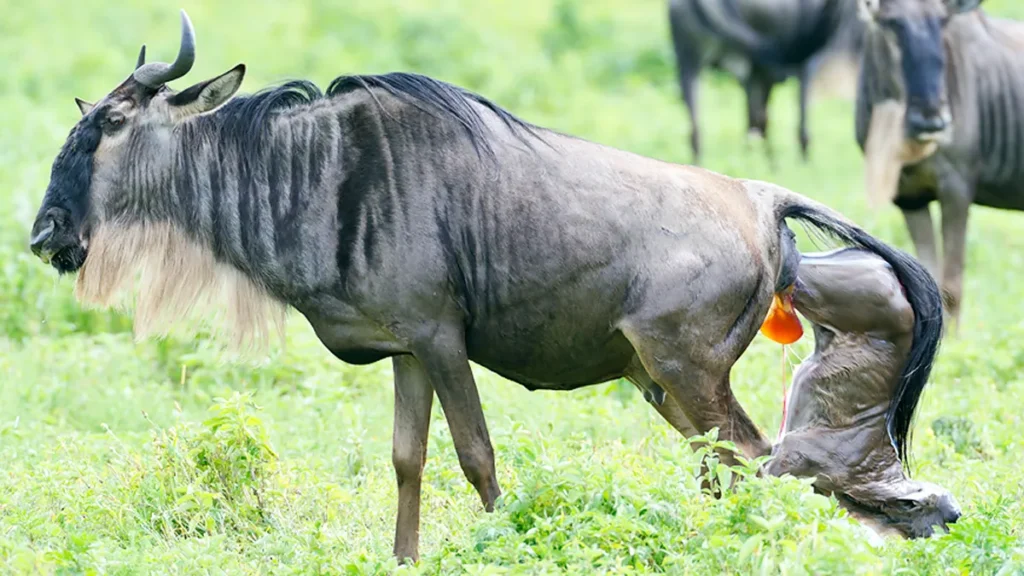
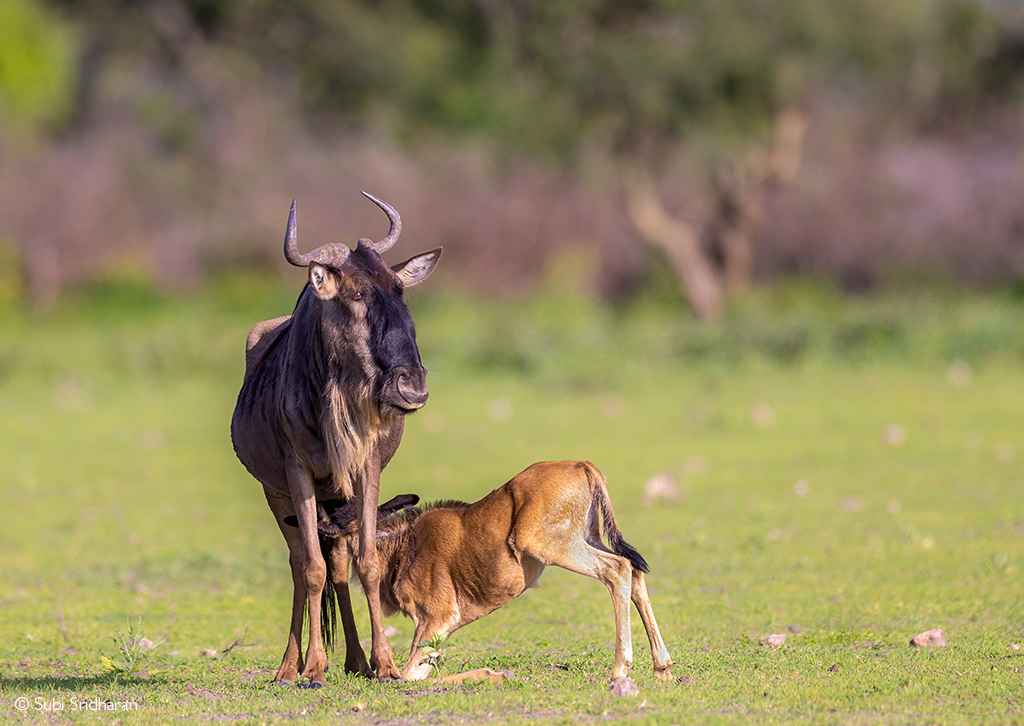
4It is Kenya's best season for newborn animals. Many herbivores, including buffalo and zebra, synchronise their calving with the long rains when fresh grass and water are most abundant. Driving through the Masai Mara in April or May, you will encounter wobbly-legged foals, elephant calves, and impala lambs everywhere. Newborns attract predators, which means exceptional hunting activity and dramatic game drive experiences.
-
5Birdwatching reaches its absolute peak. Kenya records over 1,100 bird species, and from November to April, around 170 Palearctic migratory birds arrive from Europe and Asia to join the resident population. The green season is when resident birds are in full breeding plumage and at their most vocal. For birders, this is the definitive time to visit Kenya.
-
6Photography conditions are extraordinary. Dramatic storm clouds, rich green backgrounds, golden afternoon light after rain, and wildlife against vivid landscapes make the green season Kenya's finest season for wildlife photography. The air is dust-free and exceptionally clear, allowing for long-distance shots with outstanding sharpness.
-
7You support conservation during its most financially vulnerable period. Tourism revenue drops significantly in the low season, which directly reduces funds for wildlife protection and community ranger programmes. Visiting Kenya in the green season means your travel spend has a proportionally greater conservation impact than a peak season visit.
Myths vs Facts: What Visiting Kenya in the Green Season is Really Like
Much of the hesitation around a Kenya green season safari comes from misconceptions. Here is what the research and experienced guides actually tell us.
| Common Myth | The Reality |
|---|---|
| It rains all day and you cannot go on game drives. | Rain in Kenya's parks typically falls in the late afternoon or evening. Mornings are almost always clear and ideal for game drives. Many days see no rain at all. |
| You will not see any wildlife in the long grass. | Wildlife does not disappear. It disperses. With an expert local guide who knows where to look, sightings of predators, elephants, and plains game remain excellent throughout the green season. |
| All the lodges close in the green season. | Most camps and lodges remain open throughout the green season, including in the Masai Mara. A small number close in late April and May only. The majority offer their lowest rates during this period. |
| Roads become impassable and you will get stuck. | Main tracks in established parks like the Masai Mara remain accessible with a 4x4 vehicle throughout the season. A skilled local guide with park knowledge is essential. Kenya Wildlife Service maintains the primary roads within national parks. Fly-in safaris eliminate road concerns entirely. |
| The Great Migration does not happen in the green season. | The wildebeest migration is a continuous, year-round cycle. During the green season, the herds are in Tanzania's Serengeti during calving (January to March) and begin moving north as the rains arrive. The Migration is never entirely absent from the ecosystem. |
What Wildlife Will You See on a Kenya Green Season Safari?
The honest answer is: a great deal. Kenya's resident wildlife does not migrate or disappear when the rains arrive. What changes is how and where you find them. An experienced guide makes all the difference in the green season, knowing where predators shelter from rain, where elephant herds move to drink, and which areas of the park remain most accessible.
Big Cats in the Kenya Green Season
Lions, leopards, and cheetahs are present year-round in parks like the Masai Mara. During the green season, the abundance of young, inexperienced prey animals, including new impala and zebra foals, actually increases hunting activity. Guides at Governors' Camp, one of Kenya's most experienced safari operators with over five decades in the Mara, note in their month-by-month records that lions actively hunt in the Marsh Pride areas throughout the wet season, with cheetahs particularly active in the open plains areas that remain accessible.
Elephants and the Big Five in the Green Season
Elephants thrive in the green season. With abundant water and fresh vegetation, family herds move freely across parks like Tsavo East and Amboseli. In Amboseli, the green season is particularly striking, as elephant herds move across vivid green swamps beneath the snow-capped peak of Kilimanjaro, which is often clearer in the post-rain air than at any other time of year. Buffalo and giraffe are equally abundant and highly visible, particularly in areas of shorter, recently grazed grass.
Newborn Animals: The Calving Season
The long rains coincide with the calving and birthing season for many of Kenya's herbivores. Buffalo calve in large numbers across the Masai Mara's open plains between March and May. Zebra foals are common sights. Warthog piglets emerge from their burrows, and impala lambs bounce through the grass. Every fresh birth attracts the attention of resident predators, which means the green season generates some of the most dramatic, spontaneous wildlife encounters of the entire year.
Kenya Green Season Safari: The World's Best Birdwatching Window
If you have any interest in birds, the green season is not just a good time to visit Kenya. It is the best time. Kenya has over 1,100 confirmed bird species, placing it among the top birding destinations on the planet, ahead of the entire continent of Europe and North America combined in species count.
Migratory Birds: November to April
Between November and April, approximately 170 Palearctic migratory species arrive in Kenya from Europe and Asia, escaping the northern hemisphere winter. These join Kenya's 800-plus year-round resident species and roughly 60 intra-African migrants, creating a birdwatching spectacle that peak season visitors entirely miss. Species including European rollers, barn swallows, steppe eagles, Eurasian bee-eaters, and lesser kestrels are all present during this green season window.
Resident Birds in Breeding Plumage
During the green season, Kenya's resident bird species enter their breeding season, displaying their most vibrant plumage and most active behaviour. The Lilac-breasted Roller, Kenya's most photographed bird, is at its most vivid. The African Fish Eagle calls across every waterway. Sunbirds, weavers, and bee-eaters are in constant, colourful motion. For birding photography in particular, the combination of rich green backgrounds and brilliantly coloured birds makes the green season incomparable.
Best Parks for a Kenya Green Season Safari
Not all parks perform equally in the green season. Here is a practical guide to the parks that deliver the best experience during the rainy months.
Masai Mara: Green Season Star
Kenya's flagship park holds up exceptionally well in the green season. Its vast, open plains and flat terrain drain quickly after rain. Resident predators are highly active, and the green Mara landscape makes for extraordinary photography. Best months: March, November, early December.
Amboseli: Spectacular in the Green Season
The green season transforms Amboseli's swamps, drawing elephant herds in large numbers. Kilimanjaro is often clearest after rain, producing iconic photography conditions. The park is compact and well-maintained, with no serious road issues in the wet season. Best months: March to May, November.
Samburu: Excellent Year-Round
Kenya's arid north drains very quickly and is rarely seriously affected by rain. Samburu's unique "Special Five" species, including Grevy's zebra, reticulated giraffe, and Somali ostrich, are present year-round. A genuinely reliable green season safari destination.
Tsavo: Kenya's Quietest Green Season Experience
Tsavo East and Tsavo West are vast parks that rarely feel busy even in peak season. In the green season, they are genuinely remote. Red elephant sightings and dramatic volcanic landscapes at their most vivid. Best for adventurous travellers who want absolute solitude.
Wildlife Photography Tips for the Kenya Green Season
Experienced wildlife photographers often deliberately choose the green season for its unique visual conditions. Here are the key tips to make the most of it.
Use the Dramatic Skies
The billowing storm clouds of the green season provide backdrops that are simply not available in the dry season. Photograph wildlife silhouetted against dark purple storm clouds for images that instantly stand out. Shoot before a storm front arrives for the best dramatic sky light.
Shoot in the Golden Hour After Rain
The minutes immediately after a shower produce the most extraordinary light of the year. The air is washed clean, colours are saturated, and the low sun catches water droplets on grass and leaves. Always have your camera ready the moment the rain stops.
Protect Your Equipment
Carry a weather-sealed camera body if possible, or use rain sleeves for your lenses. A dry bag inside your camera pack protects memory cards and batteries. Malee Safaris vehicles have pop-up roof hatches that provide overhead cover for photographers during light showers without needing to stop the drive.
Frequently Asked Questions About Visiting Kenya in the Green Season
Kenya has two green seasons. The long rains run from March to May, peaking in April, which is the wettest month. The short rains cover November and December, with November typically seeing the heaviest rainfall of the two. Both periods transform the savannah into lush, green landscapes. The shoulder months of early March and early June offer green landscapes with lighter rainfall and are often considered the ideal compromise for a Kenya green season safari.
Lodge rates in the green season typically drop by 25 to 40 percent compared to peak season (July to October) rates. The Safari Collection, which operates several Kenya properties including Sala's Camp and Solio Lodge, offers verified discounts of 30 to 35 percent on stays of 7 nights during their savings season (January to May and November to December). Budget-level safaris also become significantly more accessible during this period. Contact Malee Safaris for current green season pricing across all budget levels.
The Great Wildebeest Migration is a continuous, year-round cycle. During the Kenya green season (March to May), the wildebeest herds are in Tanzania's Serengeti, where calving occurs between January and March. By June, the herds begin their journey north toward Kenya. During the short rains of November, the wildebeest are starting to leave Kenya for the Serengeti. While the famous Mara River crossings are a peak season event (July to October), the Migration is never truly absent from the broader ecosystem. Check our Kenya Green Season guide for the full migration calendar.
Yes, particularly if you visit with an experienced local guide and use a private vehicle. For first-timers, we recommend targeting early March or November rather than the height of the long rains in April and May. These shoulder months offer the green season's key benefits (lower prices, fewer crowds, beautiful landscapes, and newborn animals) without the heaviest rainfall. Browse our green season safari packages to see what is available at every budget level.
The Masai Mara remains excellent throughout the green season due to its open terrain and strong resident wildlife. Amboseli is outstanding for elephant herds and Kilimanjaro photography. Samburu in the north is rarely affected by rain and delivers reliable year-round wildlife. Tsavo East and Tsavo West offer a genuinely remote experience with outstanding scenery at their most dramatic in the green season.
Ready to Book Your Kenya Green Season Safari?
Malee Safaris specialises in green season itineraries that combine the best wildlife, the most beautiful landscapes, and the most competitive prices of the year.
Plan My Green Season Safari →Or view our safari packages to find a green season deal.