
Birdwatching Uganda Safari: A Guide for Beginners
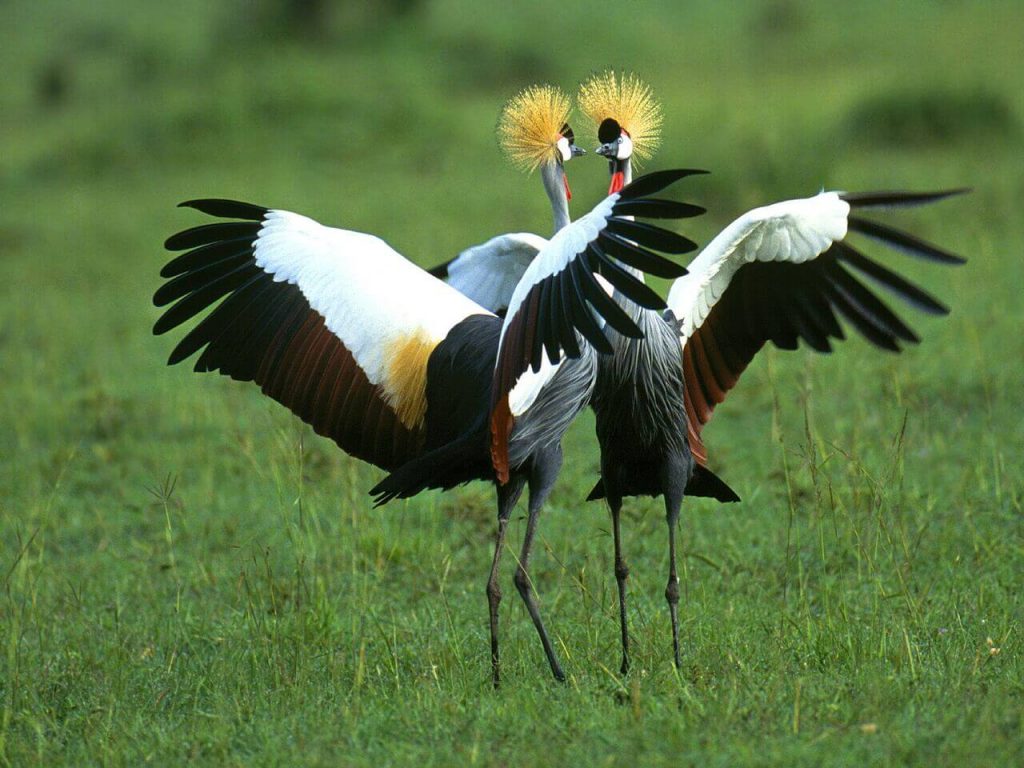
At Malee Safaris, we craft itineraries that maximize your chances of seeing the most sought-after species. This guide provides the essentials for planning your perfect birdwatching Uganda safari.
Uganda, often called the “Pearl of Africa,” is not just famous for its mountain gorillas; it is a global hotspot for avian enthusiasts. With over 1,090 recorded bird species—more than any other country in Africa—planning a specialized safari here is a dream come true for birders.
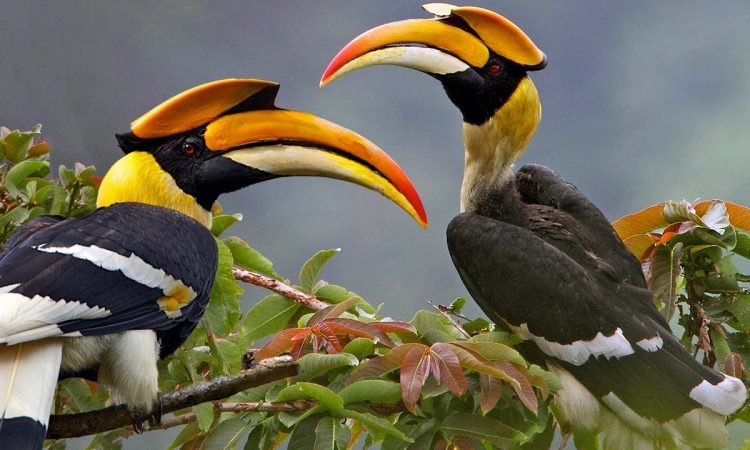
The Best Spots for Birdwatching Uganda Safari
Choosing the right location is critical to boosting your sighting list. Focus your birdwatching Uganda safari itinerary on these key biodiverse areas:
Bwindi Impenetrable National Park: Famous for gorilla trekking, Bwindi is also home to 23 of Uganda’s 24 endemic species. Look out for the beautiful African Green Broadbill and the dazzling Regal Sunbird.
Queen Elizabeth National Park (QENP): Offering diverse habitats (savanna, lakes, and forests), QENP is excellent for water birds (Pelicans, Storks) and raptors. The Kazinga Channel boat trip is a must-do.
Murchison Falls National Park: Home to the incredible shoebill stork, often found in the surrounding wetlands and delta area.
Semliki National Park: The best place in East Africa for true West African forest birds, including the rare Congo Serpent Eagle.
Essential Gear for Your Ugandan Birding Trip
While your main safari packing list covers clothing and documents, a successful birding trip requires specialized gear:
High-Quality Binoculars: Absolutely non-negotiable. Invest in a pair with a wide field of view, ideally $8 \times 42$ or $10 \times 42$.
Field Guide: A lightweight, comprehensive guide to the birds of East Africa or Uganda (e.g., Birds of East Africa by Stevenson and Fanshawe).
Spotting Scope (Optional): Highly useful for identifying distant waterfowl or tiny forest dwellers when traveling in a group.
Camera Gear: A camera with a powerful telephoto lens is essential for capturing detailed images of fast-moving birds.
💡 Beginner’s Tips for a Rewarding Birdwatching Uganda Safari
Patience is Key: Birding is slower than standard game driving. Be ready to wait quietly and observe.
Early Mornings: The best time for bird activity is just after sunrise and before sunset. Be prepared for early wake-up calls.
Hire a Specialist Guide: Uganda has incredibly knowledgeable local birding guides. Their ability to locate calls and identify species is worth the investment.
Dress Quietly: Wear neutral, non-rustling clothing to avoid scaring shy species.
Final Flap
A birdwatching Uganda safari offers a deep, rewarding dive into the country’s biodiversity that extends far beyond the “Big Five.” Start planning your specialized itinerary today to witness the avian wonders of the Pearl of Africa!
Recent Posts
Bird Migration is Starting
Contact Malee Safaris today to customize your expert birdwatching Uganda safari itinerary and unlock the secrets of the Pearl of Africa’s incredible avian life!
- +254 724 462 260
Birdwatching Uganda Safari: FAQs
When is the best time of year for a birdwatching Uganda safari?
While birding is excellent year-round, the peak season is typically from November to March. This period aligns with the arrival of migratory species from Europe and North Africa, greatly increasing the total number of birds present.
What is the single most sought-after bird species on a birdwatching Uganda safari?
The most highly sought-after and iconic species is the Shoebill Stork (Balaeniceps rex). It is commonly targeted in wetlands, particularly around the Nile Delta in Murchison Falls National Park and the Mabamba Swamp near Entebbe.
Is a specialized birdwatching Uganda safari compatible with gorilla trekking?
Yes, they are highly compatible! Bwindi Impenetrable National Park, famous for its gorillas, is also home to over 23 of Uganda’s endemic bird species. A combined itinerary allows you to experience two of Uganda’s greatest natural wonders.
Are binoculars shared, or do I need to bring my own high-quality pair?
You should absolutely bring your own high-quality binoculars (recommended $8 \times 42$ or $10 \times 42$). While standard safari vehicles might have a generic pair, your success on a specialized birdwatching Uganda safari relies on having your own equipment for quick, detailed viewing.
How much slower is a birding safari compared to a standard wildlife safari?
A birding safari is significantly slower and requires more patience. It focuses on meticulous searching, listening for calls, and silent observation, rather than covering long distances quickly. It requires more time spent on foot or in specialized, slow-moving boats.